
Comics, cartoons and pop culture
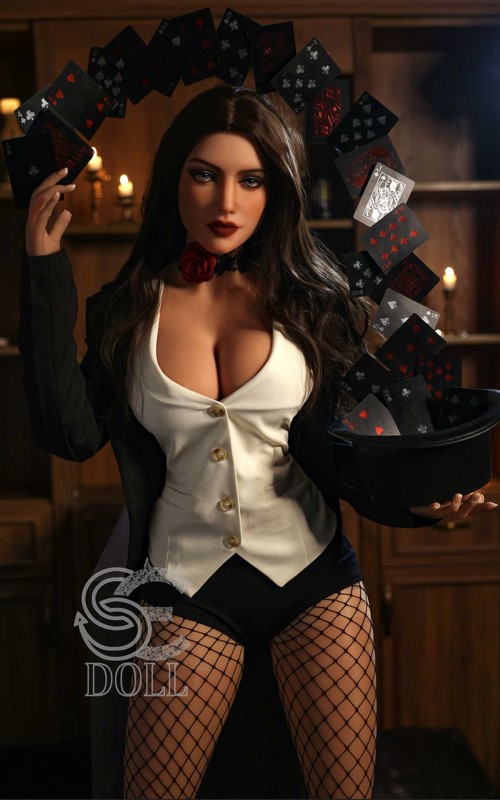
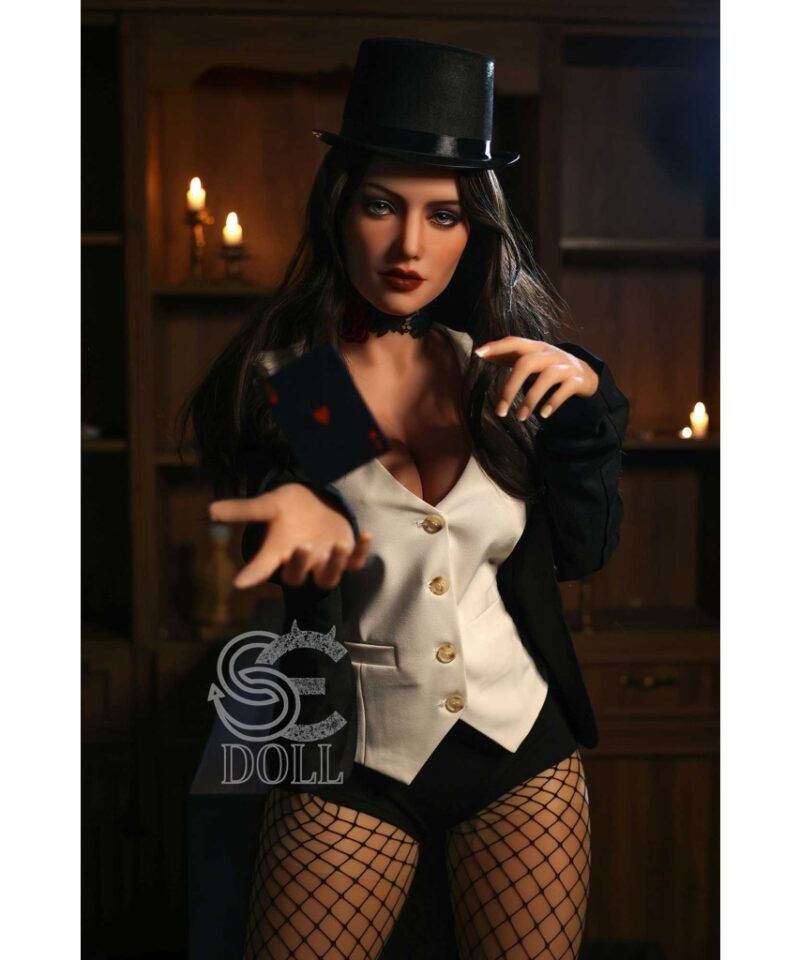

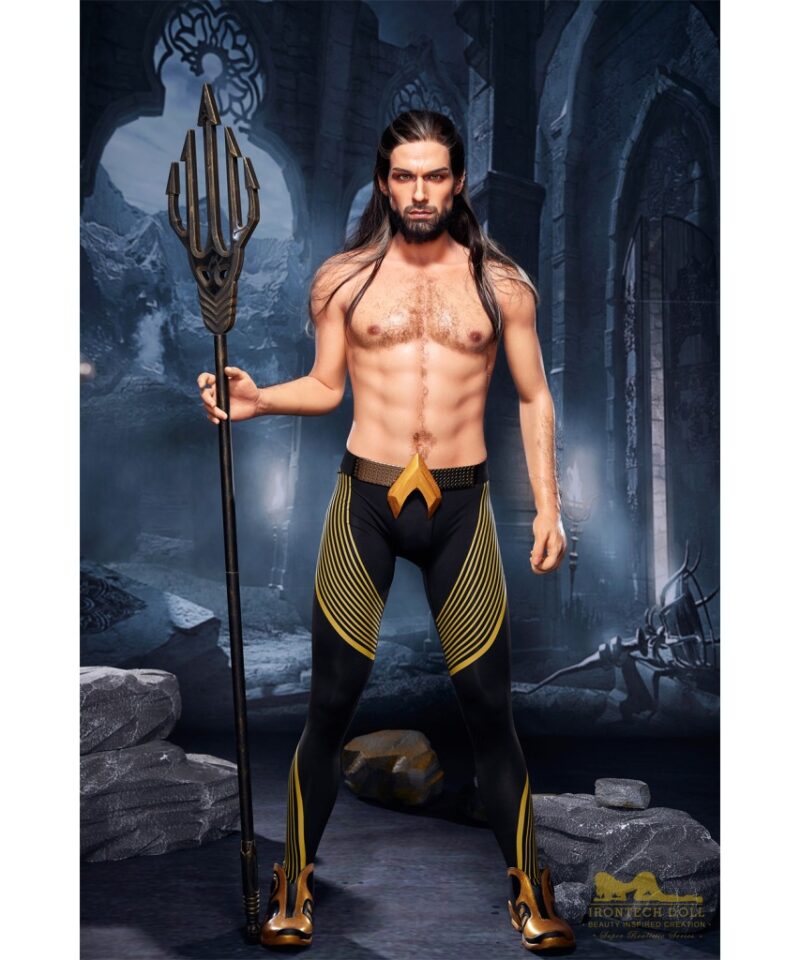
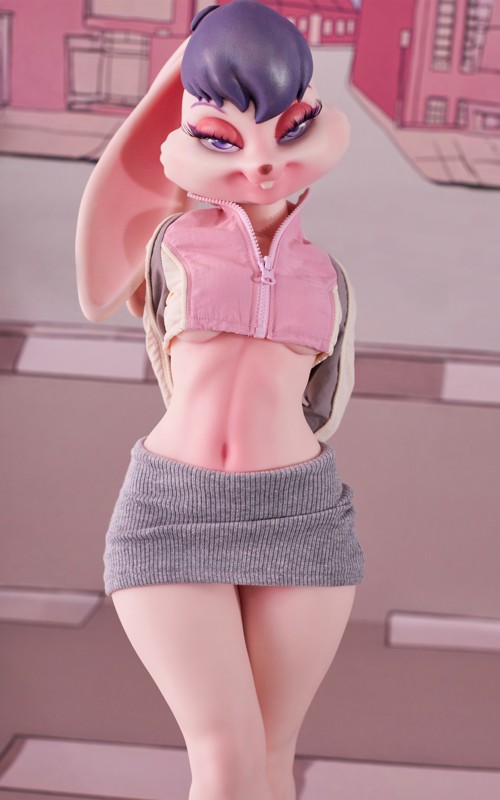
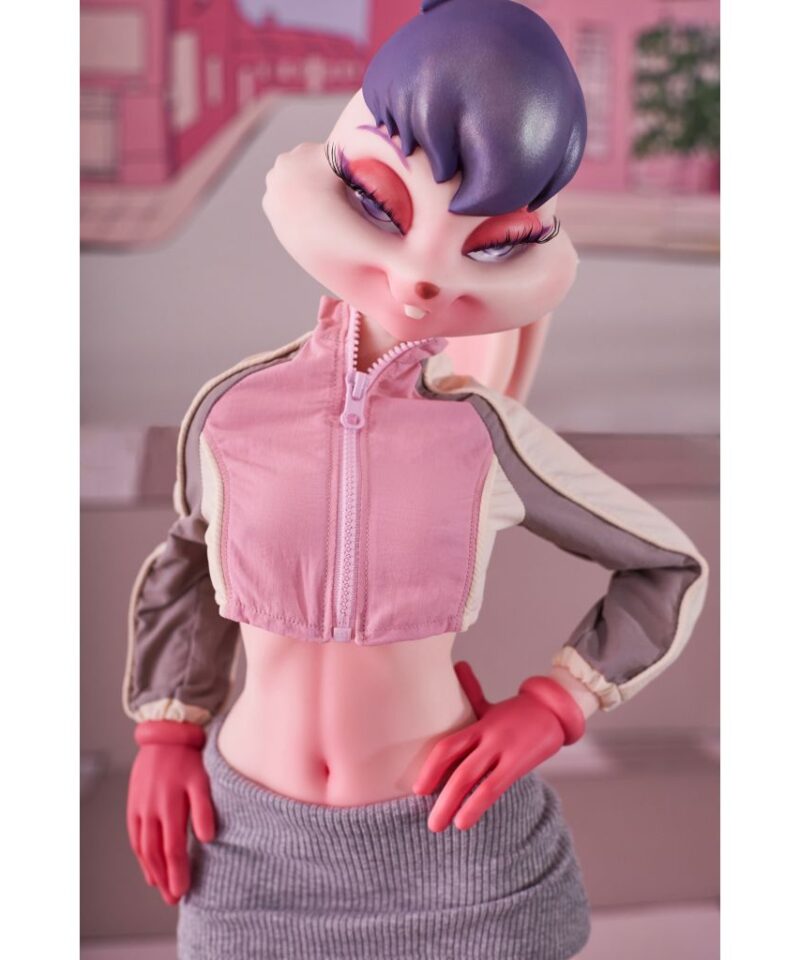
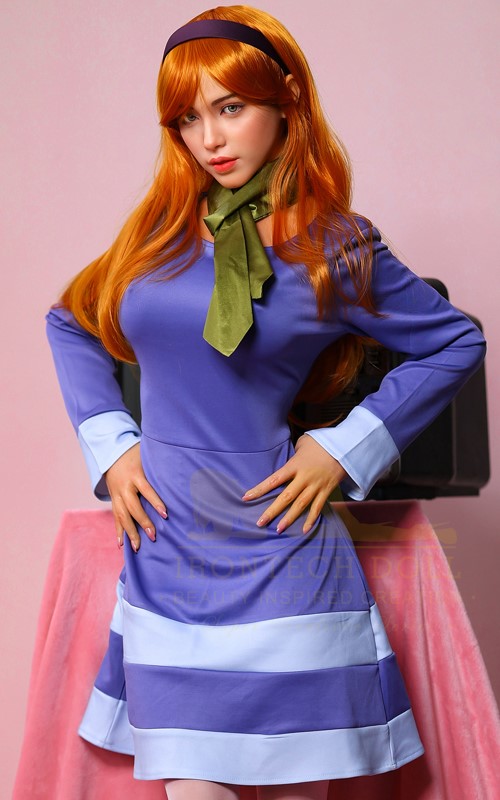
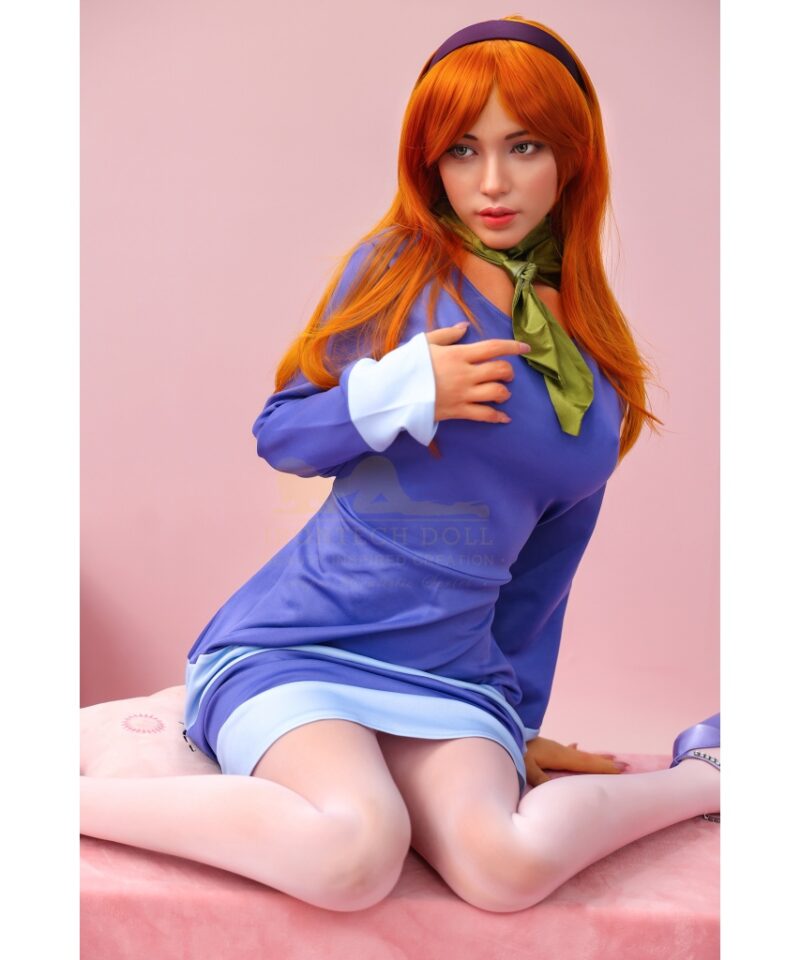
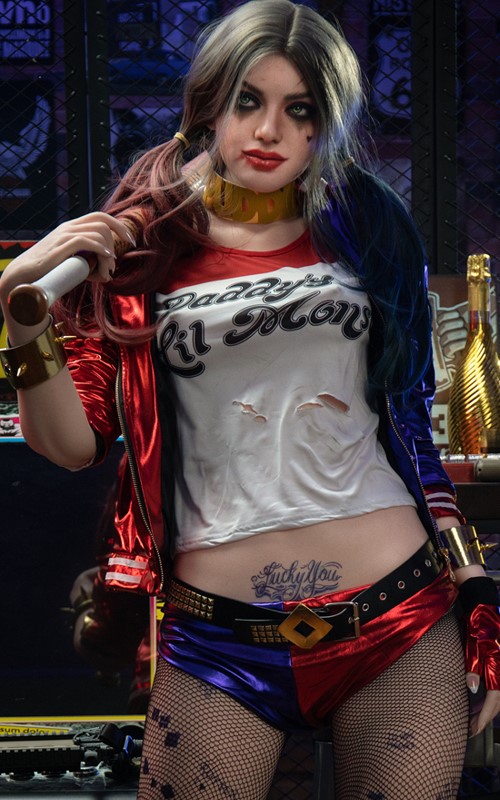


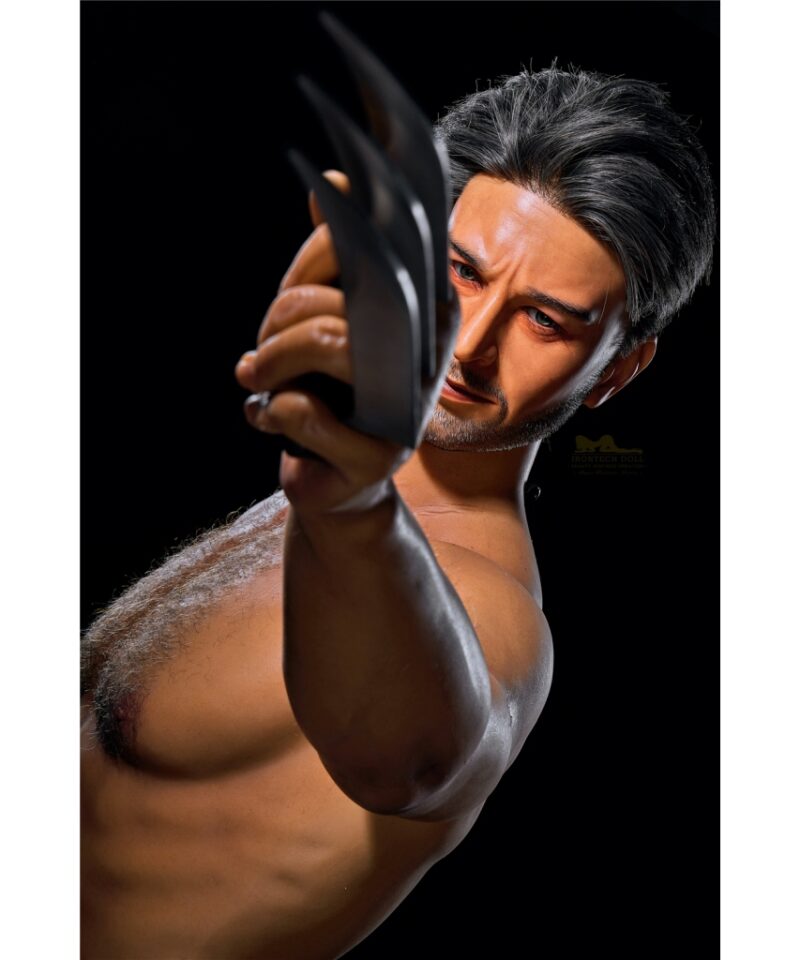
Comics, cartoons and pop culture: where fandom becomes part of the space you live in
The worlds of comics, cartoons and pop culture have never been more influential than they are today. They shape fashion, design, entertainment, collecting habits, room aesthetics, online communities, conventions, and even the way people express identity. For many fans, these are not just forms of entertainment. They are emotional universes filled with characters, symbols, stories, and visual styles that stay meaningful for years. That is exactly why a category built around comics, cartoons and pop culture has such strong appeal for collectors who want more than ordinary merchandise.
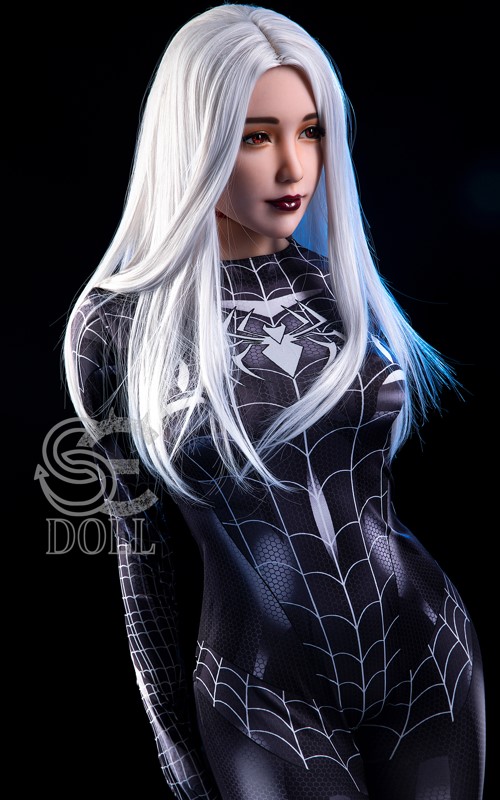
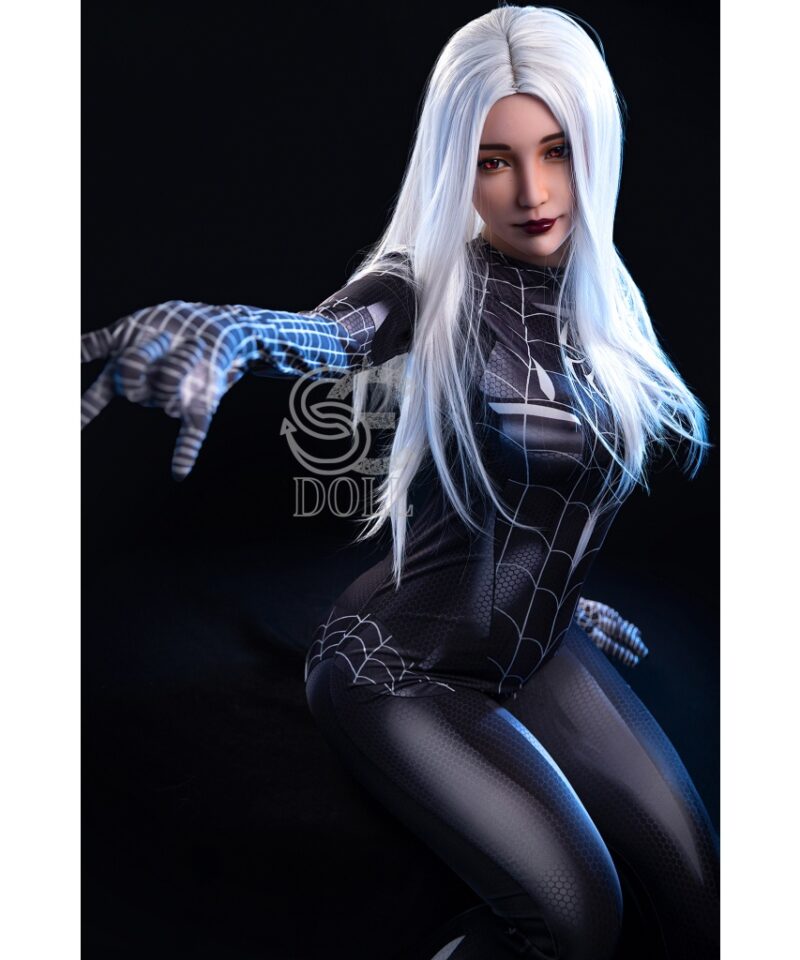
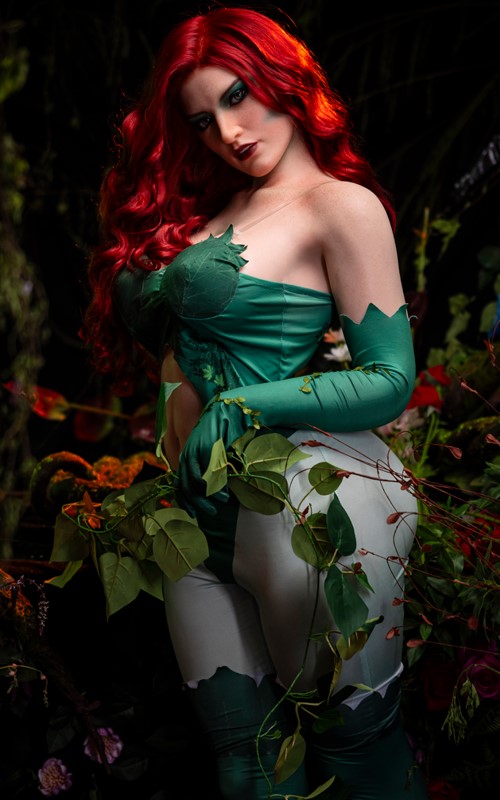
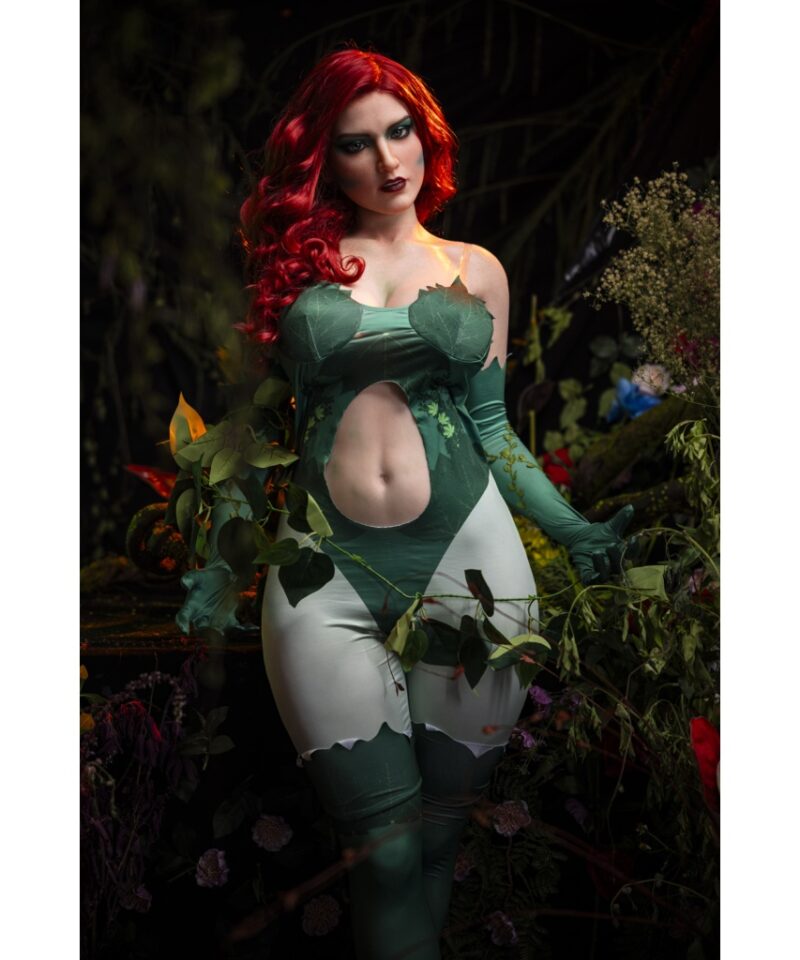
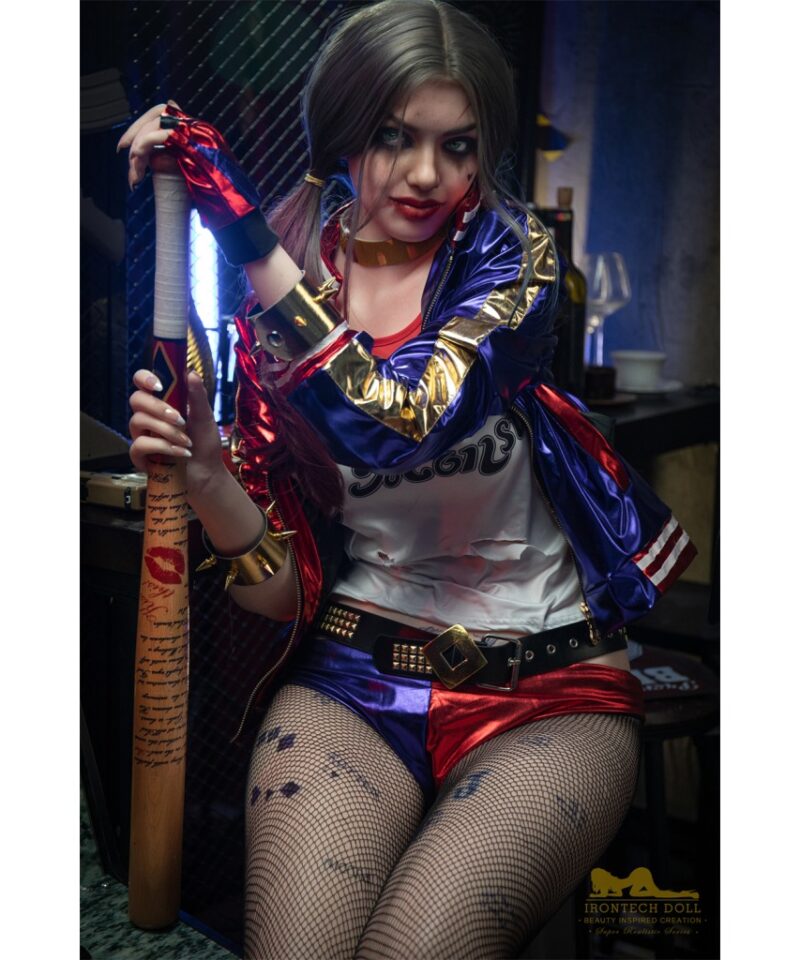
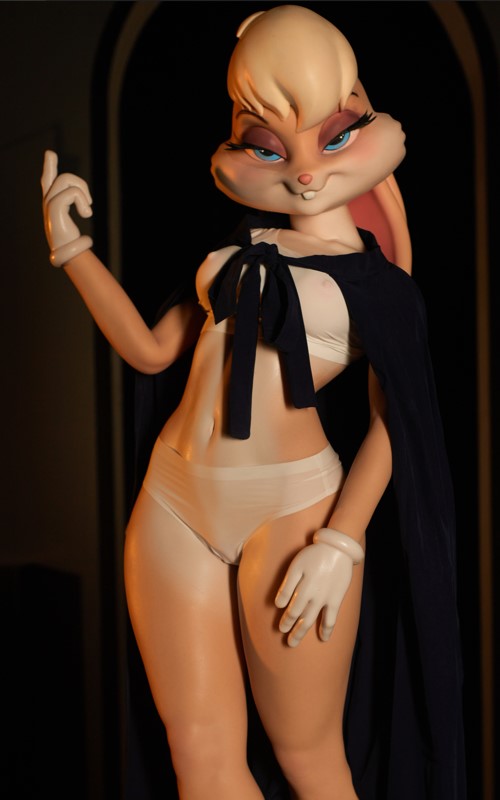
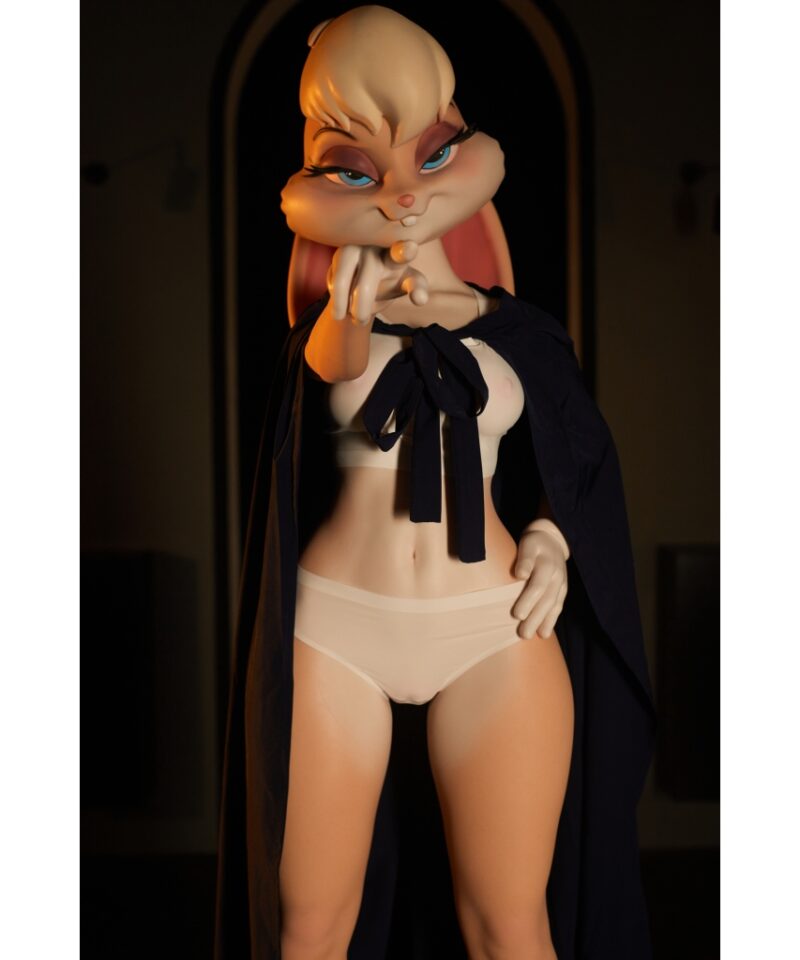
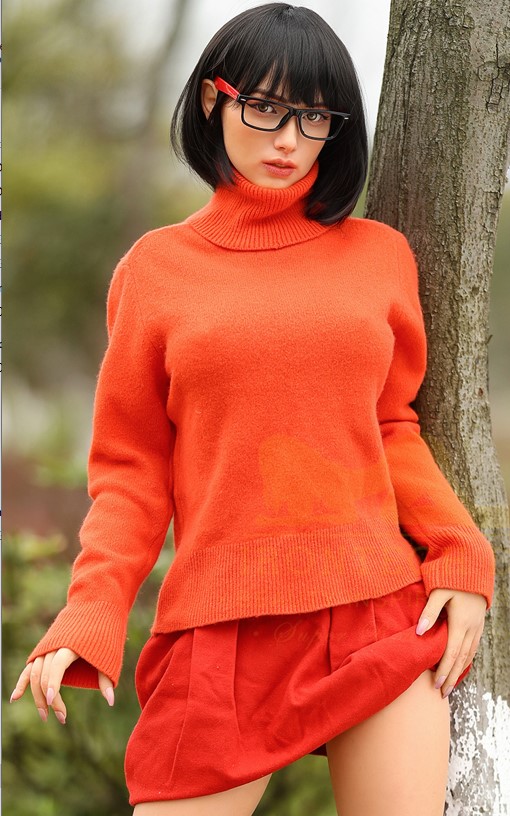
Within Otakudolls, this category acts as a meeting point for fans whose interests move across superhero culture, animated icons, and broader fandom aesthetics. Many visitors are not looking for generic products. They want collectible pieces with visual strength, identity, and the ability to transform a room. Some start by exploring the full collector catalog, while others go directly to the comics, cartoons and pop culture collection because they want a category that feels broader, more eclectic, and emotionally rich.
A true fan rarely stops at simply watching, reading, or remembering. Over time, admiration turns into collecting. A favorite heroine, a classic animated icon, a legendary comic-book character, or a figure from wider pop culture becomes part of someone’s taste and personal environment. That is where premium collectibles become especially important. They allow fans to bring those fictional worlds into their own space in a way that feels much more vivid, expressive, and memorable than standard products.
This is why categories centered on comics, cartoons and pop culture continue to grow in value for dedicated collectors. They are broad enough to include many styles and fandoms, yet emotionally specific enough to feel personal. Some fans are drawn to dark comic-book legends. Others love the bright energy of animation. Others want icons of wider pop culture who defined their generation through film, TV, gaming, design, or fandom history. The beauty of this kind of category is that it welcomes all of those passions into one curated space.
For collectors, that matters. A room often says as much about a person as the clothes they wear or the media they consume. The pieces people choose to display reflect memory, taste, nostalgia, aspiration, and emotional attachment. Categories built around comics, cartoons and pop culture are especially powerful because they offer visual variety and strong emotional recognition at the same time. They help transform a room into something that feels lived in, curated, and full of personality.
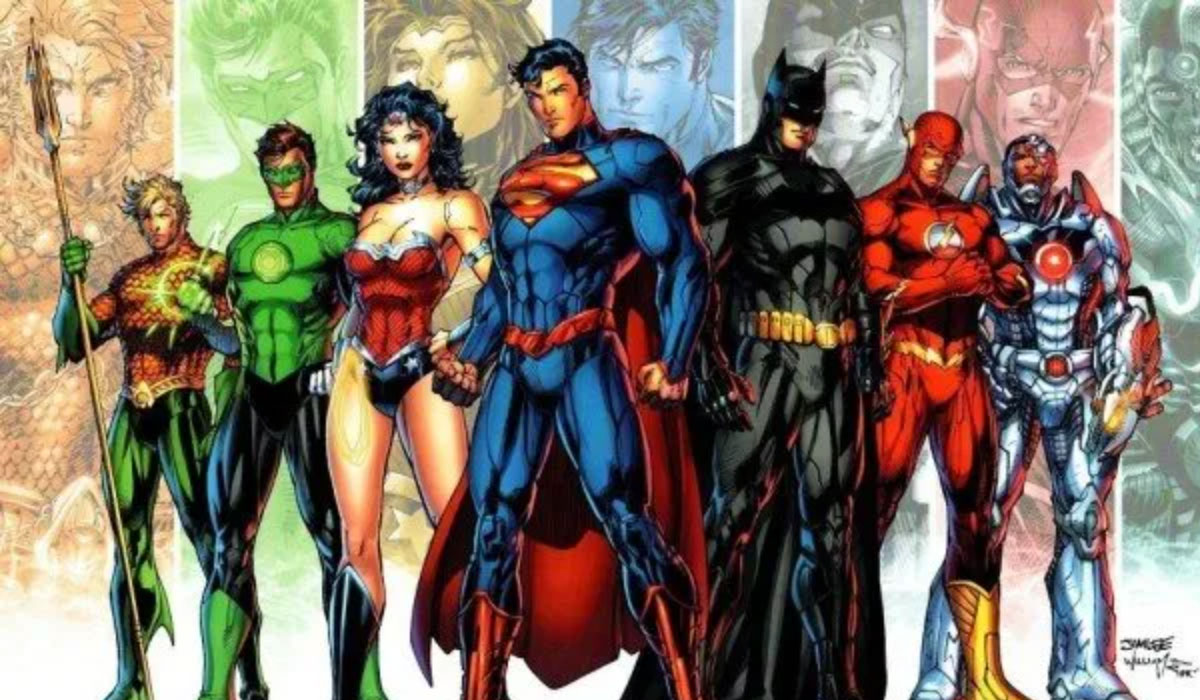
Why comics, cartoons and pop culture work so well together
At first glance, these might seem like separate worlds. But in reality, comics, cartoons and pop culture constantly influence one another. Comic characters become animated icons. Cartoon characters evolve into worldwide cultural symbols. Broader pop culture absorbs both, reinterpreting them through films, series, fashion, social media, collectibles, and fandom spaces.
They reflect how fans actually experience modern fandom
That connection makes this kind of category especially powerful. A fan who loves comics may also love animated versions of favorite characters. Someone who grew up with cartoons may now collect pieces inspired by more mature designs or pop reinterpretations. A buyer interested in pop culture may want iconic characters from multiple eras and styles, from nostalgic animation to modern superhero culture. Bringing comics, cartoons and pop culture together in one category reflects the way fans actually live with these worlds.
The category feels more alive and varied than a narrow theme
It also creates stronger browsing appeal. Instead of feeling narrow or repetitive, the category feels expansive and full of possibility. There is room for dark, stylish, elegant, playful, nostalgic, futuristic, cute, and dramatic aesthetics all at once. That makes comics, cartoons and pop culture especially attractive for collectors who enjoy moving between different moods while staying connected to a familiar fandom universe.
It brings together different kinds of emotional memory
Another advantage is emotional range. Comics often connect with mythic heroes, darker narratives, and symbolic imagery. Cartoons often tap into comfort, humor, childhood nostalgia, and instantly lovable aesthetics. Pop culture connects with the broader fabric of shared cultural memory: the characters, references, and visual icons that define generations. When a category brings comics, cartoons and pop culture together, it becomes much more than a product grouping. It becomes a space where different kinds of attachment can coexist.
It naturally links to the strongest fandom hubs on the site
This also explains why the category works so well as a gateway to other major collector sections. Fans browsing comics, cartoons and pop culture often move naturally into DC-inspired premium models, Marvel character dolls, anime-inspired collector dolls, or even realistic video game dolls when their tastes extend into gaming and wider fandom culture.
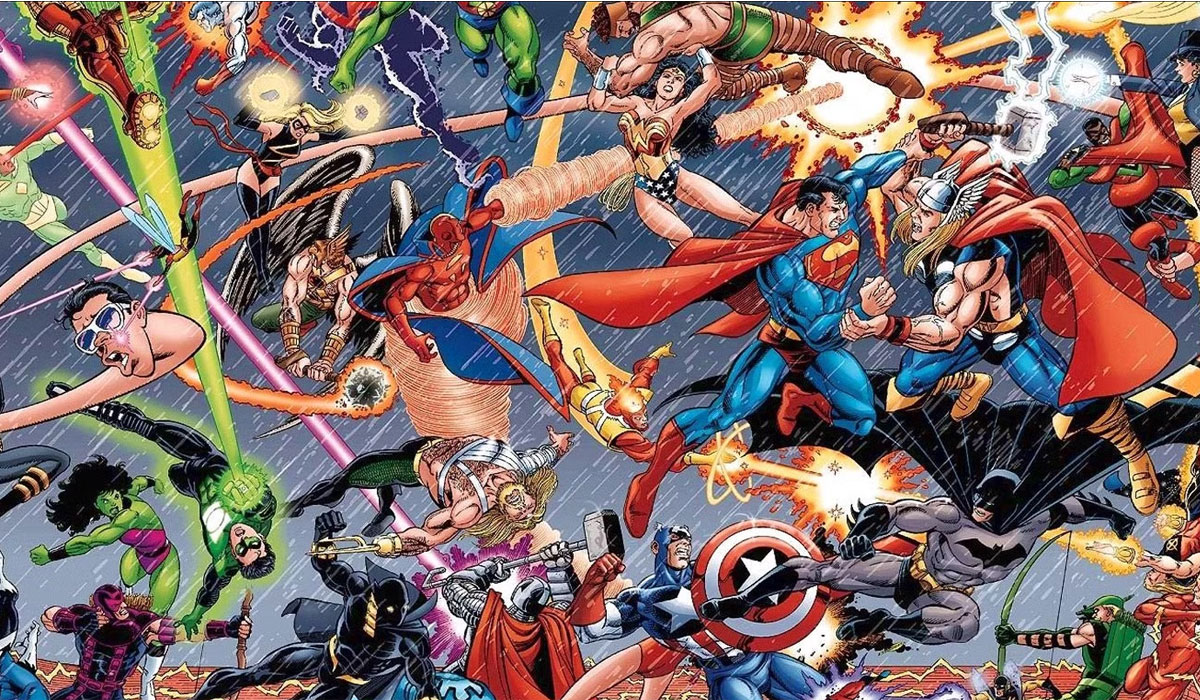
The collector appeal of comics as a major pillar of this category
Few forms of storytelling produce such enduring character recognition as comics. Their greatest strength is that they do not just create stories. They create legends. A strong comic character often becomes bigger than any single issue, film, or adaptation. They become visual symbols, emotional references, and part of the shared language of fandom itself. That is why comics continue to hold such strong appeal for collectors.
Comic characters are built for instant visual recognition
One of the main reasons comics work so well in a collectible category is visual clarity. Comic characters are designed to be memorable at a glance. Colors, silhouettes, masks, capes, emblems, hairstyles, posture, and attitude all work together to create immediate recognition. That makes comics especially strong for premium display items because the source material already carries such iconic presence.
Comics often create deeper long-term emotional attachment
There is also an emotional side. Fans of comics often form long-term attachments to heroes, villains, and storylines. These attachments can begin in childhood and deepen over decades. For collectors, owning pieces inspired by comics is often about more than admiration. It is about preserving a connection to ideals, memories, and visual worlds that never lost their power.
The comic world offers huge tonal and aesthetic variety
The broad range of comic culture also adds depth to the category. Some fans prefer classic superheroes. Others are drawn to antiheroes, villains, retro aesthetics, alternative styles, or darker visual tones. That flexibility makes comics one of the strongest pillars in any category that aims to connect with serious collectors. It also explains why fans exploring this section often move toward DC fandom collector pieces and Marvel-inspired premium pieces as natural next steps.
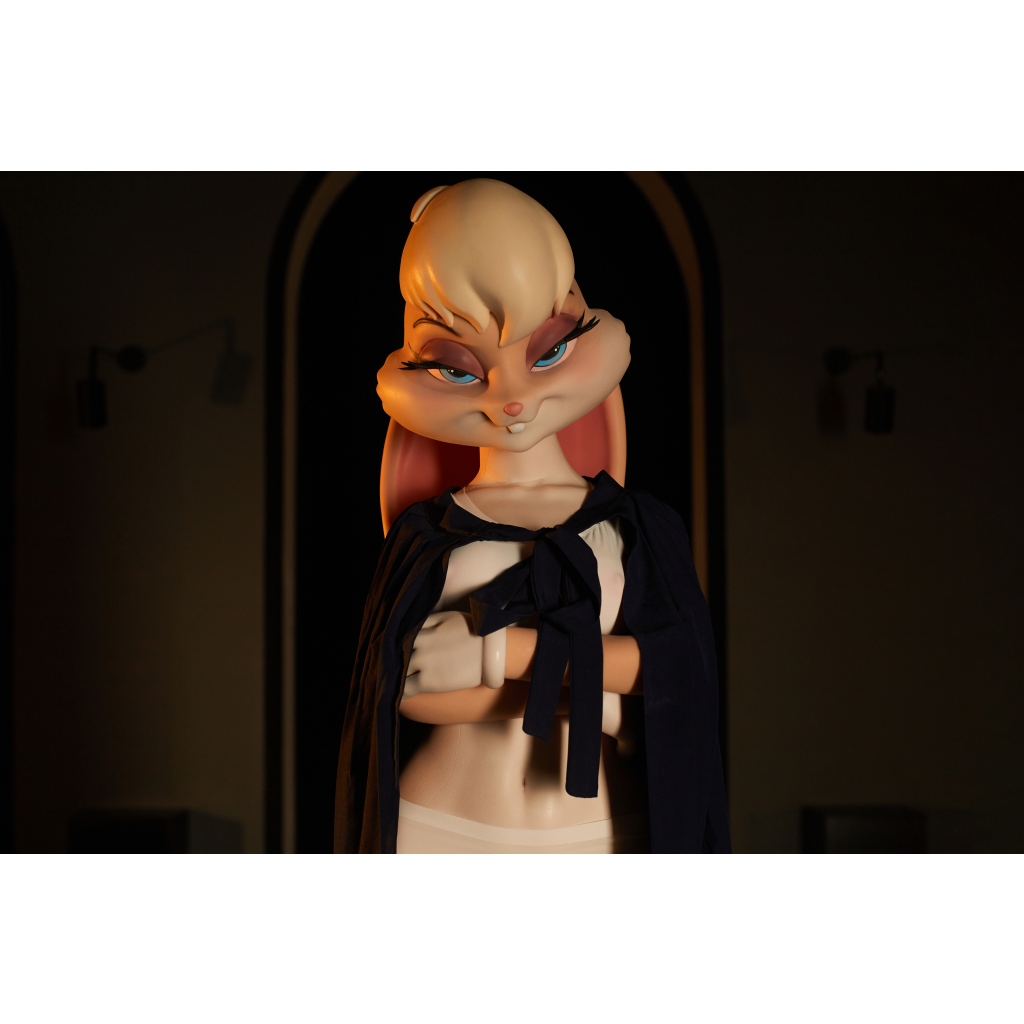
The timeless attraction of cartoons in premium collecting
If comics often carry mythic or dramatic weight, cartoons bring something equally powerful in a different way: immediacy, charm, character expression, and emotional warmth. For many people, cartoons are tied to childhood, comfort, laughter, and first encounters with beloved fictional characters. That is why they remain so important in the world of comics, cartoons and pop culture collecting.
Cartoon design is made to be instantly memorable
One of the reasons cartoons are so collectible is recognizability. Great cartoon design is efficient, bold, and unforgettable. A silhouette, expression, hairstyle, or color palette is often enough to identify a favorite character immediately. That visual strength makes cartoons especially appealing in a premium collectible environment because the essence of the character can be felt at first glance.
Cartoons bring warmth, playfulness, and emotional softness
But the appeal of cartoons is not only nostalgic. Modern animation has also created stylish, emotionally rich, and visually sophisticated characters that appeal to adults as much as children. This means cartoons can support both playful collection styles and more refined, aesthetic-driven spaces. They add a softer energy to the category, balancing darker or more dramatic fandom influences.
They make mixed collector spaces feel more human and expressive
Collectors often love cartoons because they bring color, familiarity, humor, and emotional softness into a room. While some fandom categories lean dark, intense, or highly dramatic, cartoons can make a space feel more approachable and more layered. That balance is valuable, especially in a mixed category where comics, cartoons and pop culture all sit together.
Why pop culture makes the category even more powerful
Pop culture gives the category its broadest emotional reach. While comics and cartoons often come from more defined storytelling traditions, pop culture pulls together the icons, aesthetics, and references that define shared memory across generations. It can include cult favorites, mainstream legends, crossover icons, and visual symbols that matter because they shaped an era.
Pop culture expands the category beyond one fandom language
This matters because many collectors do not experience fandom in only one direction. A person may love superhero worlds, animated classics, gaming culture, and nostalgic pop icons all at once. A category centered on comics, cartoons and pop culture gives that kind of collector a place to browse without feeling limited to a single niche.
It supports more eclectic and personality-driven collections
Pop culture also helps a collection feel more personal. Not every room should look the same. Some collectors want darker comic energy. Others want playful nostalgia. Others prefer a mix of bold heroines, iconic villains, retro references, and highly recognizable symbols from wider fandom history. This category works especially well because it gives those collectors permission to build something more varied, expressive, and true to their identity.
Comics, cartoons and pop culture as a category for better, not just more, collecting
Collectors today are more selective than before. Many no longer want endless shelves filled with random low-impact items. They want meaningful pieces with presence. They want products that feel more intentional, more attractive, and more capable of defining a room. That is why categories focused on comics, cartoons and pop culture continue to attract people who care not just about collecting more, but about collecting better.
Premium pieces create stronger visual and emotional impact
A room is not only a place to live. It is also a reflection of taste, memory, and passion. The pieces people choose to keep close say something about what shaped them. This kind of category resonates so strongly because it brings together characters and aesthetics that are already emotionally loaded. That makes the collectibles feel more than decorative. They feel personal.
It works as a gateway into the wider Otakudolls universe
Because the category is so broad, it also serves as one of the best entry points into the wider store. A collector may begin here for comic-inspired icons, cartoon nostalgia, or broader pop references, then continue exploring DC Comics character dolls, Marvel collector models, League of Legends-inspired pieces, or the broader Otakudolls store to build a more complete collector space.
Comics, cartoons and pop culture for fans who want to live with the worlds that shaped them
At their best, categories built around comics, cartoons and pop culture are not only product groupings. They are curated spaces where different forms of attachment, nostalgia, and visual taste come together. They give collectors a way to surround themselves with the worlds, moods, and characters that helped define their identity over time.
That is why comics, cartoons and pop culture remains such a powerful collector category. It is broad enough to feel alive, specific enough to feel personal, and emotionally rich enough to turn ordinary browsing into a much deeper fandom experience. For collectors who want a room filled with personality, style, and memorable references, this is one of the most compelling places to explore in the Otakudolls store.